Archives
- 2026-08
- 2026-07
- 2026-06
- 2026-05
- 2026-04
- 2026-03
- 2026-02
- 2026-01
- 2025-12
- 2025-11
- 2025-10
- 2025-09
- 2025-03
- 2025-02
- 2025-01
- 2024-12
- 2024-11
- 2024-10
- 2024-09
- 2024-08
- 2024-07
- 2024-06
- 2024-05
- 2024-04
- 2024-03
- 2024-02
- 2024-01
- 2023-12
- 2023-11
- 2023-10
- 2023-09
- 2023-08
- 2023-07
- 2023-06
- 2023-05
- 2023-04
- 2023-03
- 2023-02
- 2023-01
- 2022-12
- 2022-11
- 2022-10
- 2022-09
- 2022-08
- 2022-07
- 2022-06
- 2022-05
- 2022-04
- 2022-03
- 2022-02
- 2022-01
- 2021-12
- 2021-11
- 2021-10
- 2021-09
- 2021-08
- 2021-07
- 2021-06
- 2021-05
- 2021-04
- 2021-03
- 2021-02
- 2021-01
- 2020-12
- 2020-11
- 2020-10
- 2020-09
- 2020-08
- 2020-07
- 2020-06
- 2020-05
- 2020-04
- 2020-03
- 2020-02
- 2020-01
- 2019-12
- 2019-11
- 2019-10
- 2019-09
- 2019-08
- 2019-07
- 2019-06
- 2019-05
- 2019-04
- 2018-07
-
br Materials and methods br Results br Discussion Our
2019-11-02
Materials and methods Results Discussion Our previous investigation demonstrated that some genes in the latex that were involved in rubber biosynthesis were regulated by exogenous JA, and Hbvp1 is one of the JA-responsive genes in the latex of rubber trees [23]. In this study, the Hbvp1 enc
-
Findings from the present study indicate that CRF receptors
2019-11-02
Findings from the present study indicate that CRF1 receptors are especially important in fear acquisition. CP154,526 given before acquisition training, at least partly, reinstated the fear-potentiated startle response and blocked the development of contextual conditioned fear in SERT−/− rats. CP154,
-
To characterize Ea and S DC AC electrical parameters will
2019-11-02

To characterize Ea and γ·S, DC/AC electrical parameters will be determined from MIL standard measurements in a temperature range of −55 to +200°C. It is therefore necessary also to characterize the junction temperatures and hot points by infra-red or electrical method. The accelerated aging, represe
-
Several extragenic cot ts suppressors have been identified A
2019-11-02
Several extragenic cot-1 (ts) suppressors have been identified. Among them, cytoplasmic dynein, dynactin, and nuclear distribution mutants of N. crassa, as well as an additional gene gul-1 (NCU01197), have been shown to have genetic interactions with cot-1 (Bruno et al., 1996, Seiler et al., 2006, T
-
Peptides undergoing only a single
2019-11-02
Peptides undergoing only a single hydroxylation, i.e. PA-Hyp-KPAPK and PAPK-Hyp-APK, were then used to investigate the kinetics of vCPH co-factor and co-substrate dependences. The values for KMapp for Fe(II) and KM for 2OG for the two peptide substrates were within error (KMapp, Fe(II): 0.9 μM ± 0.1
-
br Materials and methods br Results br Discussion The effect
2019-11-02
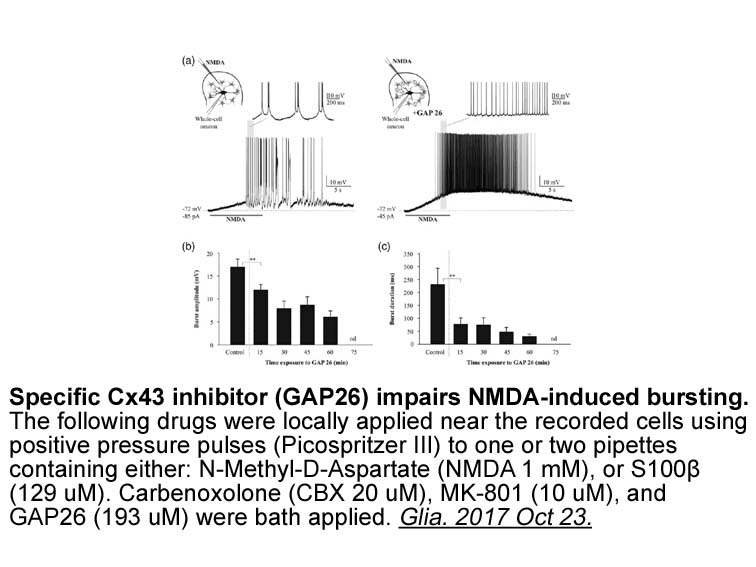
Materials and methods Results Discussion The effect of progestogen treatment showed some tendencies affecting the body length and weight, however these data were not verifiable statistically. This observation could be explained with the relatively short exposure period and/or the relatively
-
Additionally both in vitro and in vivo studies
2019-11-02
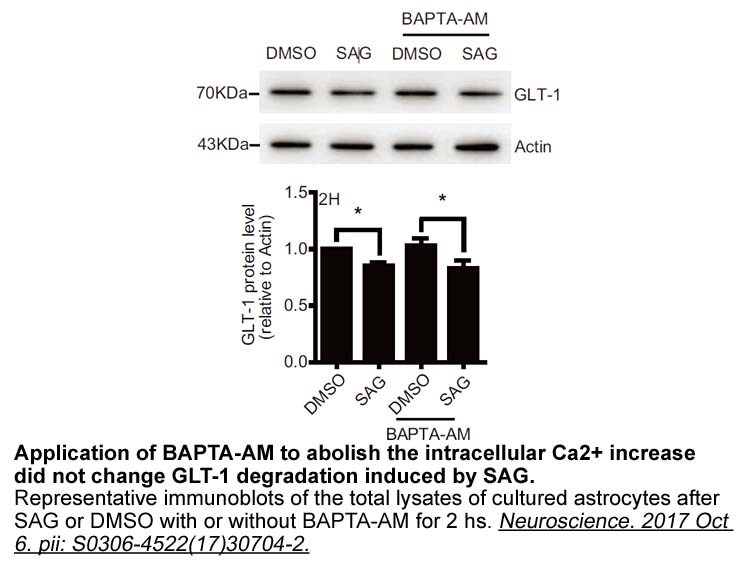
Additionally, both in vitro and in vivo studies showed that a Ca2+ influx is closely related to apoptosis (Rizzuto et al., 2003). Calmodulin (CaM) is a multifunctional intermediate calcium-binding messenger protein expressed in all eukaryotic cells, which senses intracellular calcium levels by bindi
-
IY-5511 EphB promotes tumor growth by stimulating angiogenes
2019-11-02
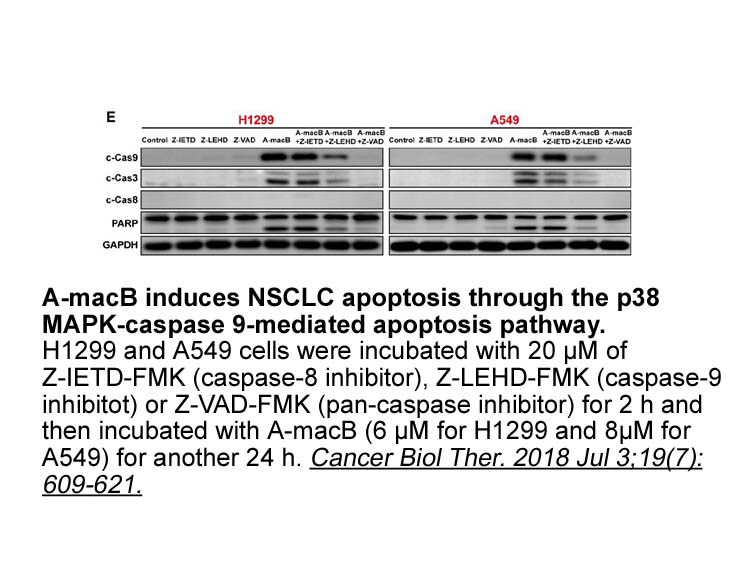
EphB4 promotes tumor growth by stimulating angiogenesis through EphrinB2 [18]. However, the distinct and specifically involvement of IY-5511 and veins in the tumor angiogenesis of all tumor grades is unclear. Our results indicate that the relation between EphrinB2 and EphB4 stained blood vessels was
-
br Early developments Historically the advent of SMEPT can
2019-11-02
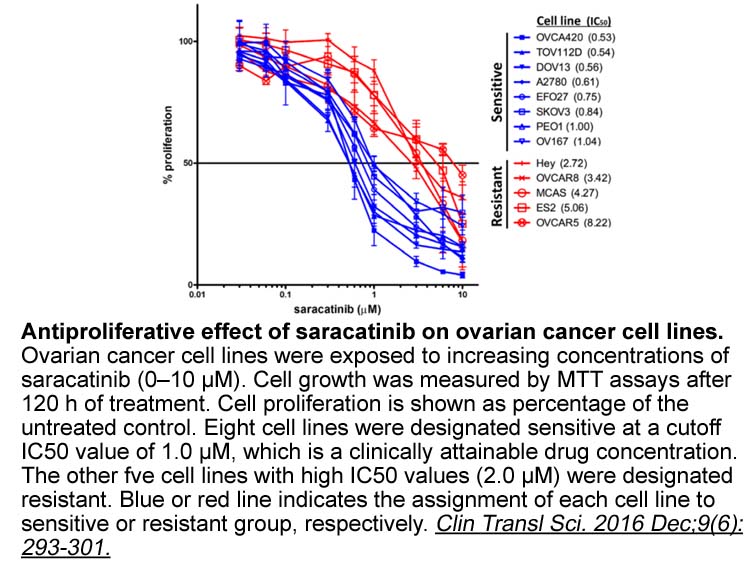
Early developments Historically, the advent of SMEPT can be traced to the 1980′s, where the first example of localized prodrug conversion was achieved using a judiciously placed enzyme – in order to achieve a localized feed of 5-fluorouracil (5-FU). Immobilization of E. coli-derived cytosine deam
-
In humans CYP A major isoforms of CYP As
2019-11-01

In humans, CYP3A4/5, major isoforms of CYP3As in the liver, have variants that reduce the enzyme activities [33], [34]. In addition, Werk et al. recently reported the first case of a complete failure of CYP3A enzyme activity due to homozygous loss-of-function mutation of CYP3A4 combined with nonfunc
-
All of these experiments in GM matter
2019-11-01
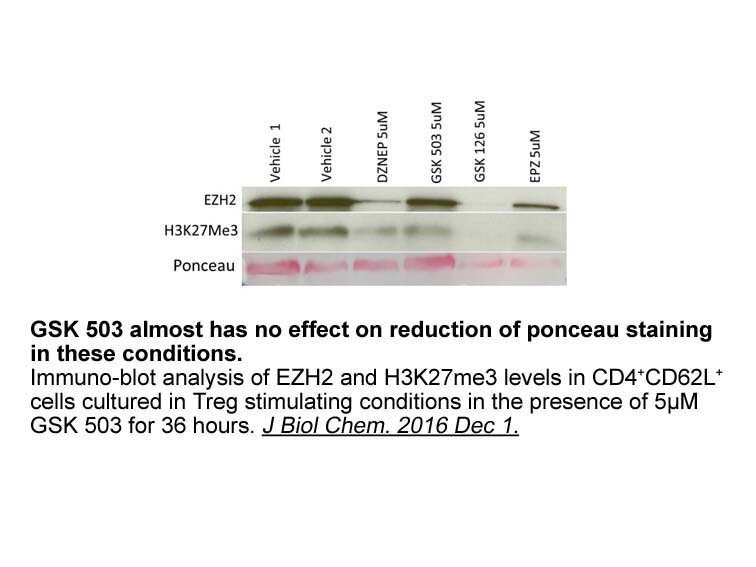
All of these experiments in GM matter injury models have identified an array of signaling mechanisms that are potentially important. First, Kim et al. proposed that CK2 acts as a negative modulator of NADPH oxidase [55]. Then Blanquet et al. [50] found that increased CK2 correlated with inhibition o
-
The Penicillium strain used in this work was isolated from
2019-11-01
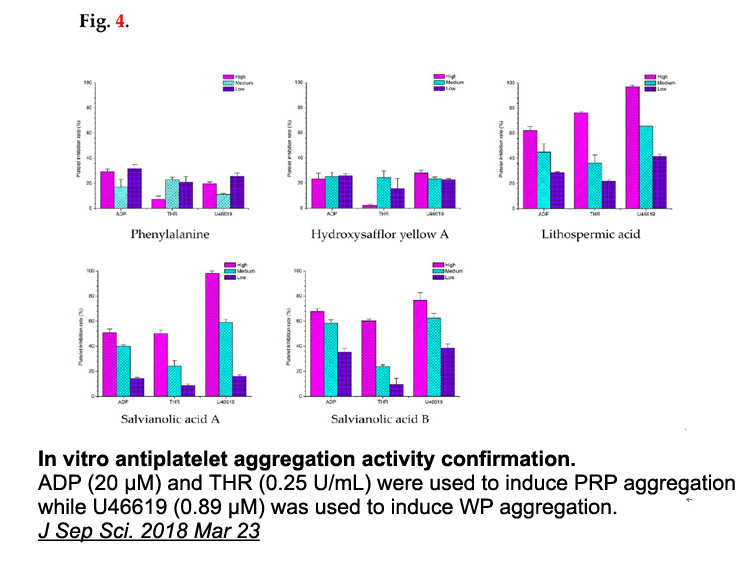
The Penicillium strain used in this work was isolated from Atlantic forest soil and previously screened as lipase producer (Tauk-Tornisielo et al., 2005). The immobilization was previously evaluated using hydrophobic supports, i.e. agarose based butyl-(But), phenyl-(Phe) and octyl-Sepharose (Oct), a
-
The CysLT receptor antagonist BayCysLT RA significantly
2019-11-01
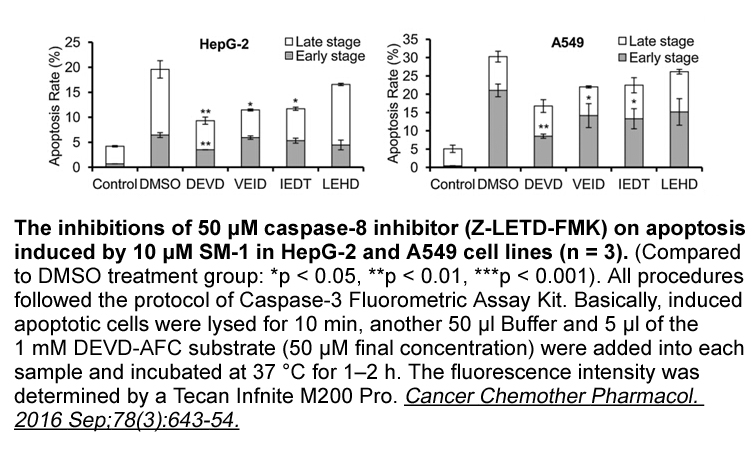
The CysLT2 receptor antagonist BayCysLT2RA significantly suppressed multiple antigen challenge-induced infiltration of eosinophils and mononuclear nor-Binaltorphimine dihydrochloride sale into the lung, indicating that CysLT2 receptor activation is involved in leukocyte migration. In contrast to the
-
br Acknowledgments This work was supported by
2019-11-01
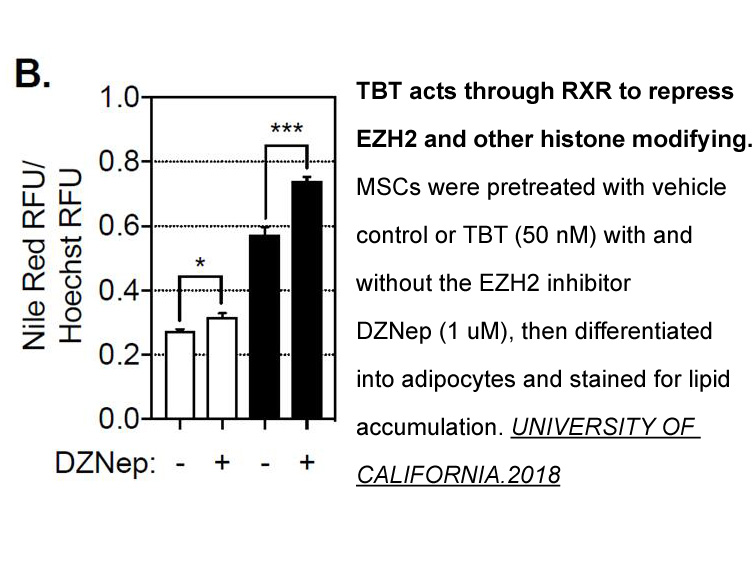
Acknowledgments This work was supported by Natural Science Foundation of China (No: 81501485). We are particularly grateful to Dr. Dan Yang and Dr. Yi Zhang for their assistance and facilities in helping this experiment and manuscript. Oral squamous cell carcinoma (OSCC), the most common malig
-
br Results br Discussion GPCRs recognize a broad
2019-11-01
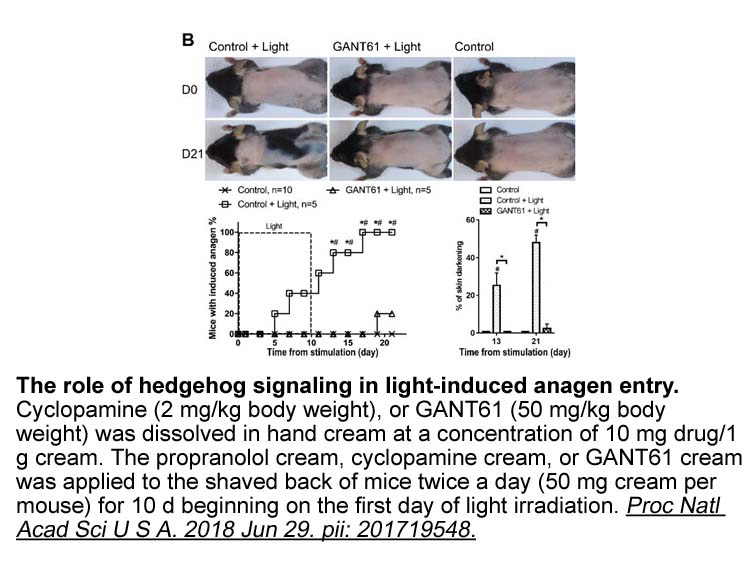
Results Discussion GPCRs recognize a broad range of molecules with a vast chemical potassium hydrochloride mg through different mechanisms. Our understanding of the recognition of lipid mediators by GPCRs primarily comes from the structural studies of receptors for lysophospholipids and endoca
16382 records 987/1093 page Previous Next First page 上5页 986987988989990 下5页 Last page