Archives
- 2026-09
- 2026-08
- 2026-07
- 2026-06
- 2026-05
- 2026-04
- 2026-03
- 2026-02
- 2026-01
- 2025-12
- 2025-11
- 2025-10
- 2025-09
- 2025-03
- 2025-02
- 2025-01
- 2024-12
- 2024-11
- 2024-10
- 2024-09
- 2024-08
- 2024-07
- 2024-06
- 2024-05
- 2024-04
- 2024-03
- 2024-02
- 2024-01
- 2023-12
- 2023-11
- 2023-10
- 2023-09
- 2023-08
- 2023-07
- 2023-06
- 2023-05
- 2023-04
- 2023-03
- 2023-02
- 2023-01
- 2022-12
- 2022-11
- 2022-10
- 2022-09
- 2022-08
- 2022-07
- 2022-06
- 2022-05
- 2022-04
- 2022-03
- 2022-02
- 2022-01
-
br Acknowledgments R Dalmann has obtained a bourse Cifre gra
2022-05-20
Acknowledgments R. Dalmann has obtained a “bourse Cifre” (grant 304/2011) from the ‘Association Nationale de la Recherche Technique’ and Bristol-Myers-Squibb. Introduction Endocannabinoids, their molecular targets (receptors), their synthetic and degrading enzymes and proteins that transport
-
Increasing trans epithelial transport efficiency is another
2022-05-20
Increasing trans-epithelial transport efficiency is another area where different strategies are being developed for overcoming transcytosis. Enhancing the affinity for the basal membrane and weakening apical exocytosis through the optimisation of surface hydrophobicity have been demonstrated [79]. S
-
The ETA receptor has a higher
2022-05-20

The ETA receptor has a higher affinity for endothelin-1 than the two other agonists, with an affinity order of endothelin-1>endothelin-2>endothelin-3, while the ETB receptor exhibits similar affinities for all three isopeptides (Arai et al., 1990b, Sakurai et al., 1990). Earlier studies of the selec
-
H R antagonism can prevent seizure development and improve w
2022-05-20

H3R antagonism can prevent seizure development and improve working memory through the activation of histaminergic neurons (Huang et al., 2004, Zhang et al., 2003). In addition, we have recently found that H3R antagonism protects against ischemia-reperfusion injury via histamine-independent mechanism
-
In this study we also
2022-05-20
In this study, we also profiled the expression of the transporters in wild-type RBL-2H3 cells, RBL-2H3 Sc98 cells, and rat peritoneal mast cells. OCT1 and PMAT were expressed at high levels in both RBL-2H3 Sc98 and RBL-2H3 cells. However, OCT2 and OCT3 were weakly or least detected in RBL-2H3 Sc98 c
-
Hippo signaling is unique in that it does not possess
2022-05-20
Hippo signaling is unique in that it does not possess a cognate ligand and receptor system. Instead, numerous upstream sensors that monitor cell morphology, cell polarity, cell-cell contact, and mechanical stress impinge onto the Hippo pathway core kinases, MST, and LATS. This in turn indicates the
-
Importantly the regulation of the Hippo pathway by
2022-05-20
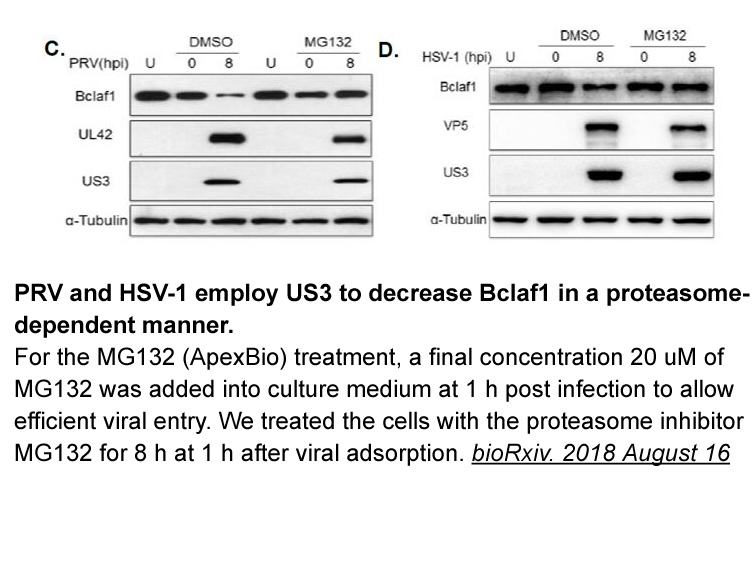
Importantly, the regulation of the Hippo pathway by metabolic networks, such as by glycolysis39, 40, hexosamine biosynthesis41, 42, and mevalonate synthesis43, 44, as well as by nutrient-sensing pathways including AMP-activated protein kinase (AMPK) 40, 45, 46 and mTOR 47, 48, 49, 50, was recently d
-
br Acknowledgements br Introduction Pregnancy
2022-05-20
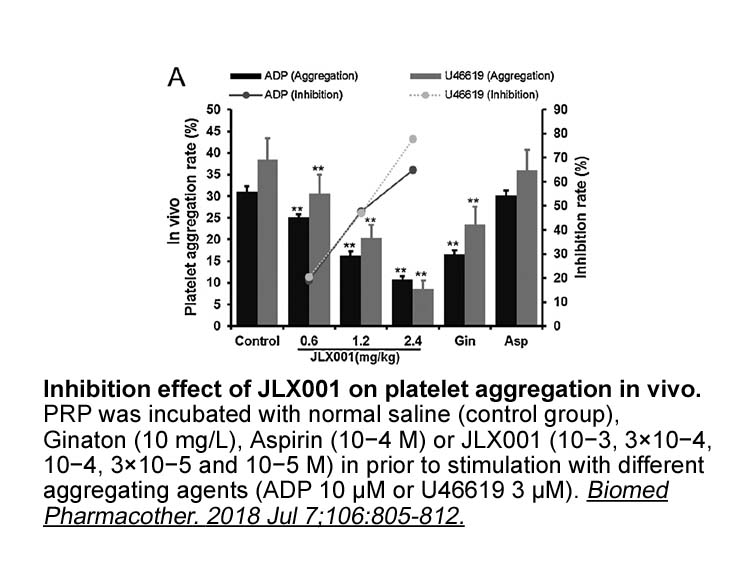
Acknowledgements Introduction Pregnancy brings forth significant metabolic reprogramming that induces a number of metabolic changes to ensure that the nutrient requirements of the mother and fetus are met [[1], [2], [3]]. These adaptations change radically over the period of pregnancy dependin
-
br Conclusions br Acknowledgements This work was supported
2022-05-20
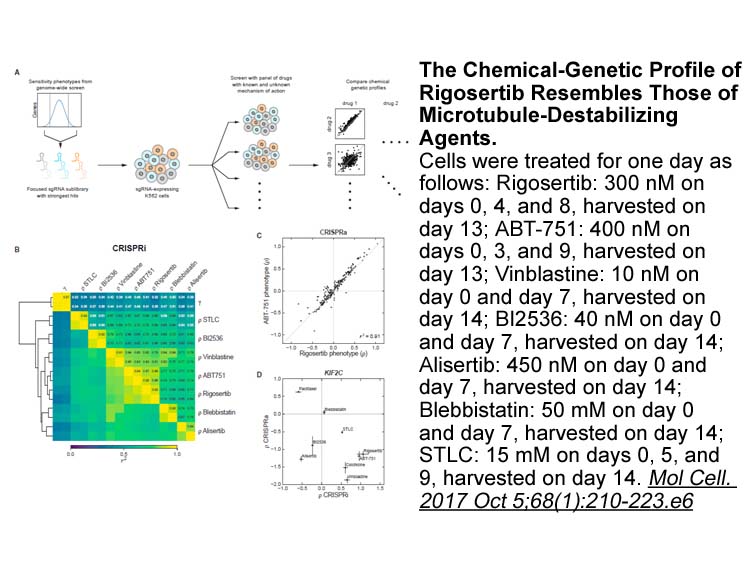
Conclusions Acknowledgements This work was supported by grants from the Polish National Science Center: 2014/14/E/NZ1/00139 (to A. Jazwa-Kusior) and 2015/17/N/NZ1/00041 (to M. Tomczyk) and National Centre for Research and Development (STRATEGMED2/269415/11/NCBR/2015) (to J. Dulak). Faculty of
-
Importantly recent in vivo results demonstrated that combini
2022-05-20
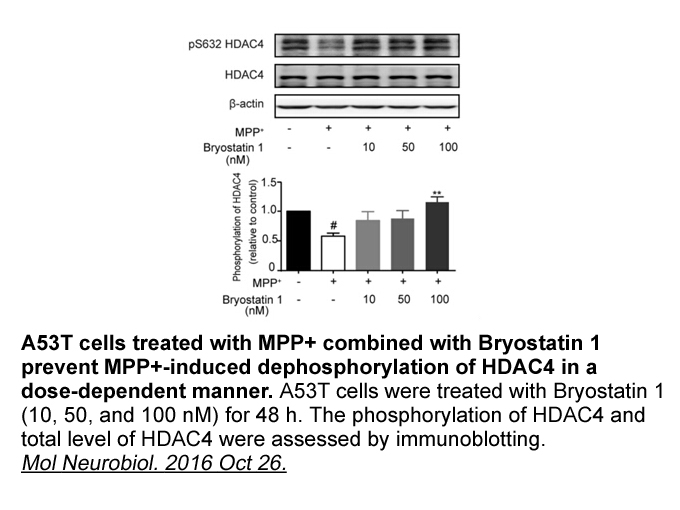
Importantly, recent in vivo results demonstrated that combining an HDACi and a IKK inhibitor significantly reduced ovarian tumor growth compared with either inhibitor alone [26]. The slowest tumor growth in the HDACi/IKK inhibition combination group was associated with the lowest CXCL8 tumor and pla
-
HBV VL quantitation has been shown to be
2022-05-20
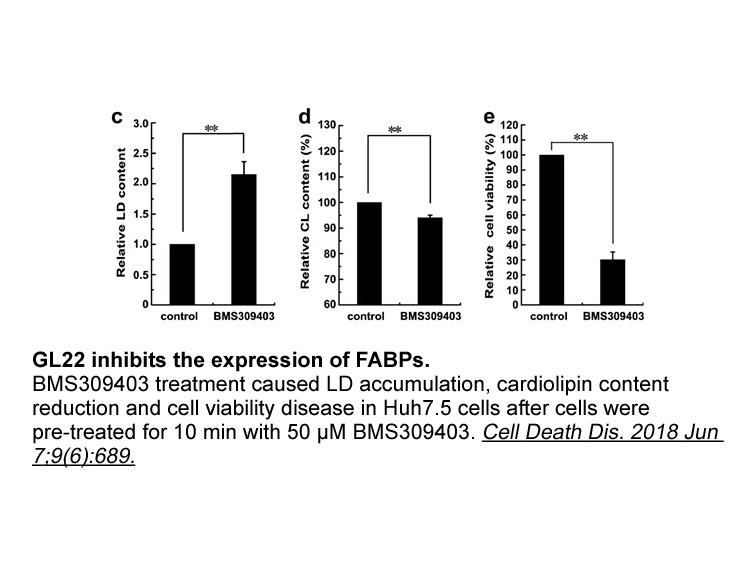
HBV VL quantitation has been shown to be affected by genotype/subtype, and varying degrees of positive and negative bias has been seen in previous comparison studies when analyzing across HBV genotypes. In studies comparing RealTime and Cobas for example, negative bias of ∼0.25 log10 was seen for ge
-
Introduction The onset of uterine labor is
2022-05-20
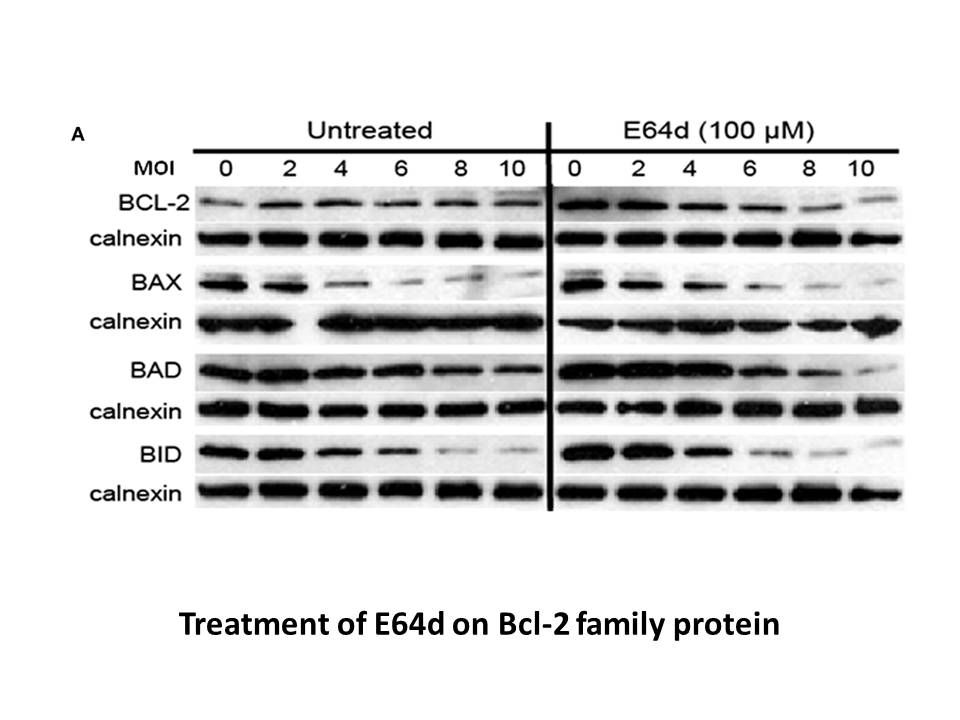
Introduction The onset of uterine labor is the culmination of a gradual uterine activation wherein physiological inflammation induces a common prolabor pathway characterized by increased myometrial contractility, weakening of fetal membrane integrity, and cervical ripening. Pathological proinflamma
-
Acknowledgments We would like to thank Dr
2022-05-20
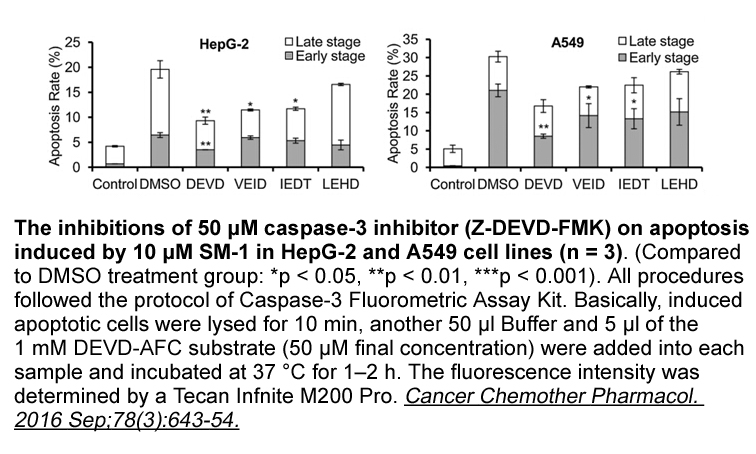
Acknowledgments We would like to thank Dr. Greg Morriello, Mr. Lehua Chang, Mr. Chris Moyes and Mr. Nam Fung Kar for intermediate 3 syntheses. Cheng Zhu would like to thank Dr. Milana Maletic, Mr. Kake Zhao and Mrs. Wanying Sun for helpful discussions. Introduction Glucagon-like peptide-1 (GLP-
-
Mongolian gerbils Meriones unguiculatus a
2022-05-20
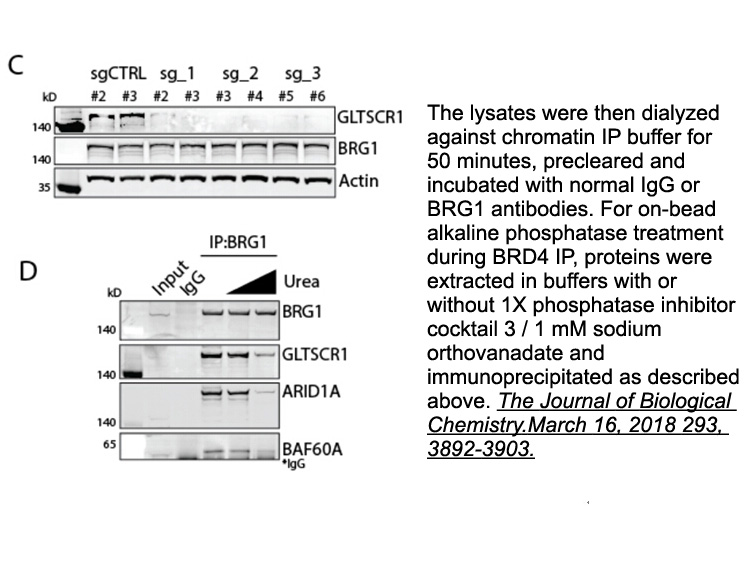
Mongolian gerbils (Meriones unguiculatus), a social rodent species, are widely distributed in the typical steppe, desert steppe and desert habitats of northern China, Mongolia, and Trans-Baikal region of Russia. In wild, the recorded maximum lifespan (apparent longevity) was 29.5 months for female M
-
In this study we provide biochemical and immunohistochemical
2022-05-20
In this study we provide biochemical and immunohistochemical evidence for the localization of the glycine transporter GLYT1 in synaptic vesicles. Previously, it was thought that GLYT1 was exclusively a glial protein (Zafra et al., 1995a). However, due to a partial discrepancy between mRNA and protei
8514 records 493/568 page Previous Next First page 上5页 491492493494495 下5页 Last page