Archives
- 2026-10
- 2026-09
- 2026-08
- 2026-07
- 2026-06
- 2026-05
- 2026-04
- 2026-03
- 2026-02
- 2026-01
- 2025-12
- 2025-11
- 2025-10
- 2025-09
- 2025-03
- 2025-02
- 2025-01
- 2024-12
- 2024-11
- 2024-10
- 2024-09
- 2024-08
- 2024-07
- 2024-06
- 2024-05
- 2024-04
- 2024-03
- 2024-02
- 2024-01
- 2023-12
- 2023-11
- 2023-10
- 2023-09
- 2023-08
- 2023-07
- 2023-06
- 2023-05
- 2023-04
- 2023-03
- 2023-02
- 2023-01
- 2022-12
- 2022-11
- 2022-10
- 2022-09
- 2022-08
- 2022-07
- 2022-06
- 2022-05
- 2022-04
- 2022-03
- 2022-02
- 2022-01
Oxidative stress has recently been
2024-04-15
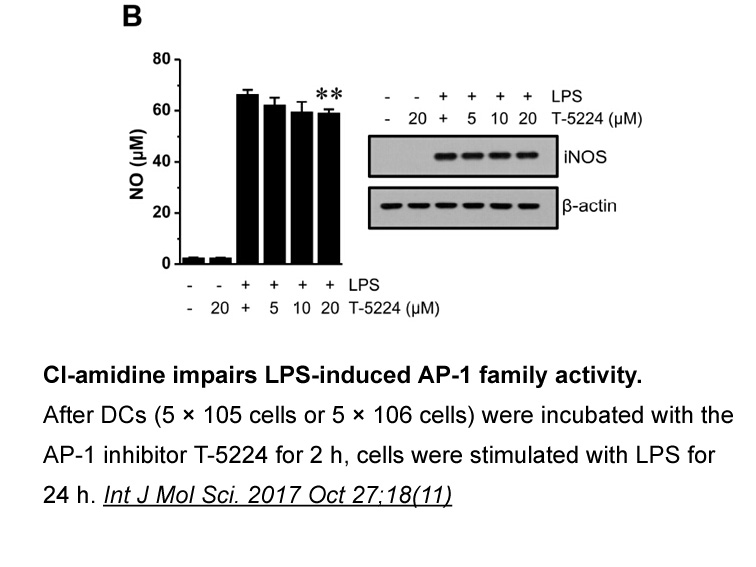
Oxidative stress has recently been reported as one of the important mechanisms of toxic effect of Cd2+[43]. The mechanism of Cd2+-induced oxidative stress involves an imbalance between generation and removal of ROS in tissues and cellular components, causing damage to membranes, DNA, and proteins [4
SC 144 australia br Funding This work was
2024-04-15
Funding This work was supported by Arena Pharmaceuticals, Inc, San Diego, CA, USA. Introduction 5-hydroxytryptamine 1B (5-HT1B) receptors are widely distributed in the central nervous system (CNS); they have various modulatory functions in drug reinforcement, appetitive behaviors, stress, moo
Physiological total plasma LPA levels are normally
2024-04-15

Physiological total plasma LPA levels are normally less than 1μM in healthy subjects. LPA levels have been reported to be increased in malignant effusions or plasma in cancer patients [20]. In addition, increasing ATX activity detected in healthy pregnant women in the third trimester of pregnancy ex
In agreement with the role of ACLY in induced
2024-04-15
In agreement with the role of ACLY in induced macrophage, we observe a drastically reduction of PGE2 levels when ACLY activity is inhibited. This is possible because PGE2 production requires arachidonic acid, which in turn is synthesized by elongation of dietary linoleic PS 341 with acetyl-CoA prov
Oocytes from the African clawed frog Xenopus
2024-04-15
Oocytes from the African clawed frog Xenopus laevis have been widely used as an expression system to study the modulation of NMDA receptors by metabotropic receptors, such as metabotropic glutamate receptors [12], μ opioid receptors [13], insulin receptors [14] and serotonin receptors [15]. No data
The most likely explanation for the
2024-04-15
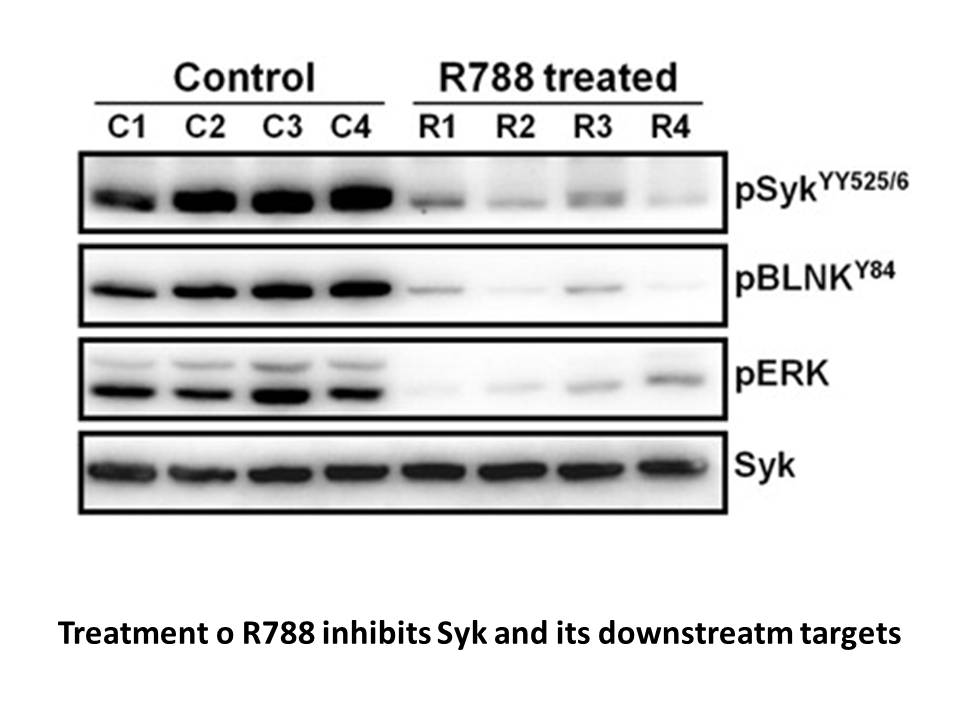
The most likely explanation for the species differences in aromatase distribution and the unique Psalmotoxin 1 distribution in humans is the unique location, size and highly elaborate organization of the human aromatase gene (e.g. Bulun et al., 2003). The human Cyp19 is a large gene located on chrom
The R pycnus arginase was identical to
2024-04-15
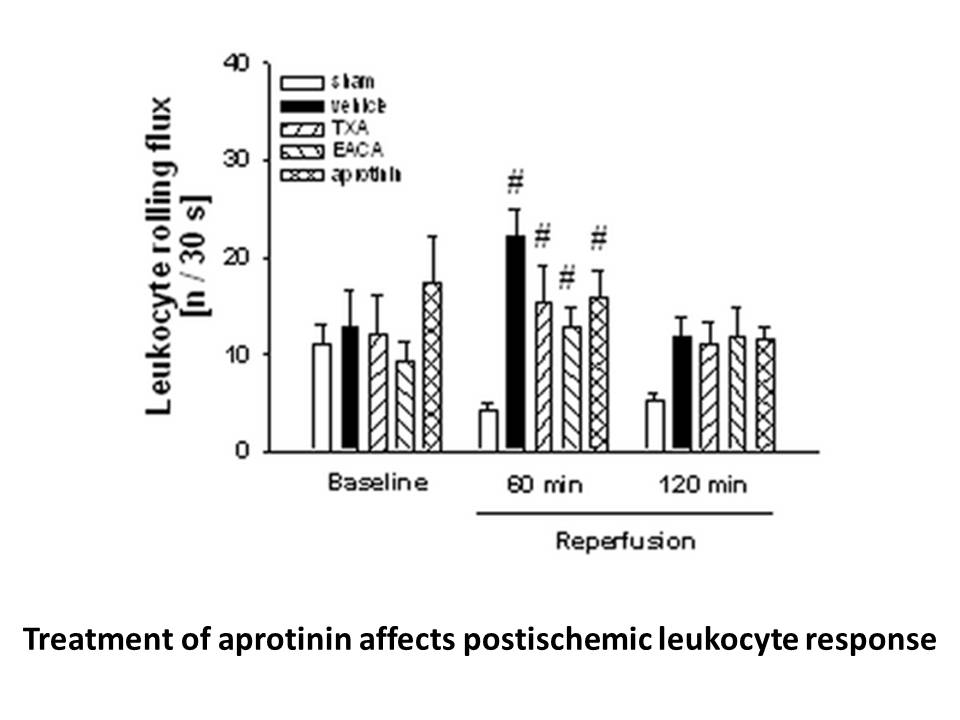
The R. pycnus arginase was 65% identical to the published B. caldovelox arginase sequence (AAB06939). Furthermore, the R. pycnus arginase gene was 62%, 45%, 36% and 22% identical to the published arginase sequences from Bacillus thuringiensis (AJI37018), Thermus thermophiles (WP_038039155), Human ar
Therefore a number of homoisoflavonoids may be
2024-04-15

Therefore, a number of homoisoflavonoids may be designed in future that may be effective against angiogenesis for treating ocular neovascularization. As this 6258 current study deals with robust molecular modeling techniques on SH-11037 (cpd 15) and related homoisoflavonoids and SH-11037 has gained
As an internal control this
2024-04-15
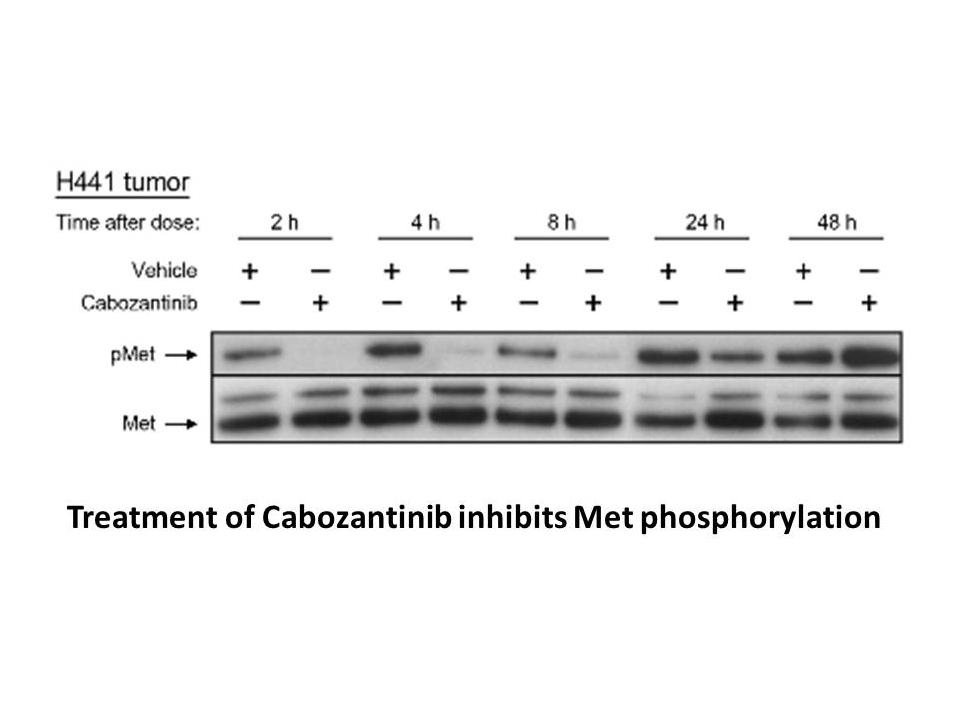
As an internal control, this study validated many of the known associations between GATA3 and predictive markers. GATA3 was shown to be associated with ER and PR, which are both well-known correlations. GATA3 was also negatively correlated with nuclear grade, which is consistent with our knowledge o
APPL was the first adaptor protein identified
2024-04-13
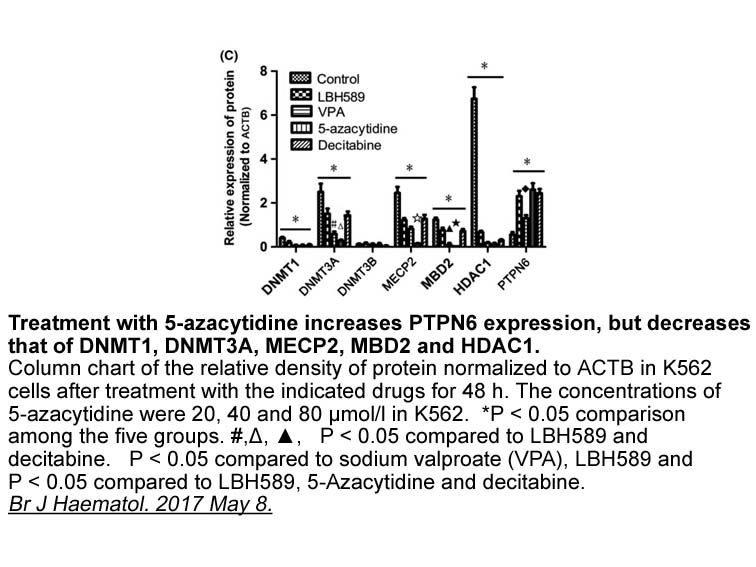
APPL1 was the first adaptor protein identified that interacts directly with adiponectin receptors [18]. A two-hybrid study by Dong and colleagues revealed that the C-terminal extracellular domain of AdipoR1 interacts with adiponectin, whereas the N-terminal cytoplasmic domain of AdipoR1 interacts wi
When added to the culture medium extracellular ATP
2024-04-13
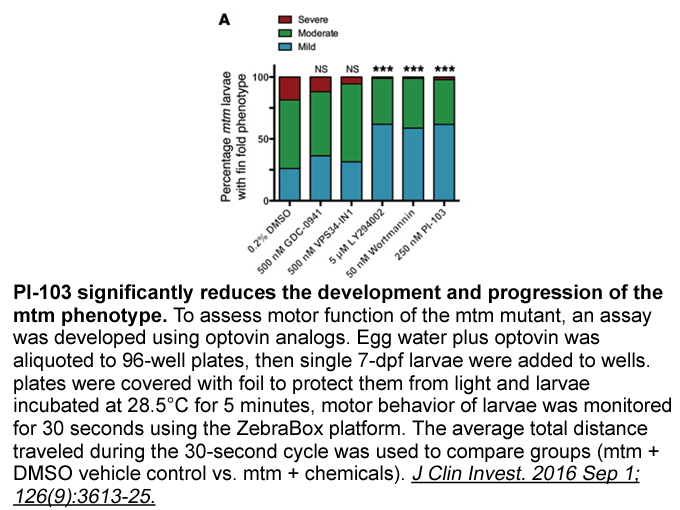
When added to the culture medium, extracellular ATP is metabolized into adenosine by ectonucleotidases, and ARs are then activated by adenosine with concentrations in the micromolar range [27]. However, our study showed that activation of ARs by exogenous adenosine could not induce the odontoblastic
Defining the multiple roles of autophagy in stroke has been
2024-04-13
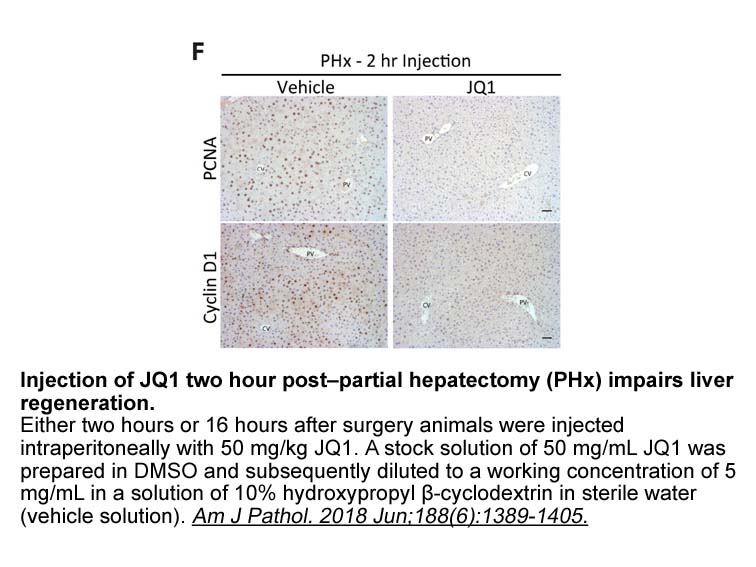
Defining the multiple roles of autophagy in stroke has been a rapidly evolving and exciting venue for translational research, with innovative products being applied from bench to bedside. Spanning pharmacological pathway manipulation and functional experimental validation, altered autophagy activati
In the current study we
2024-04-13
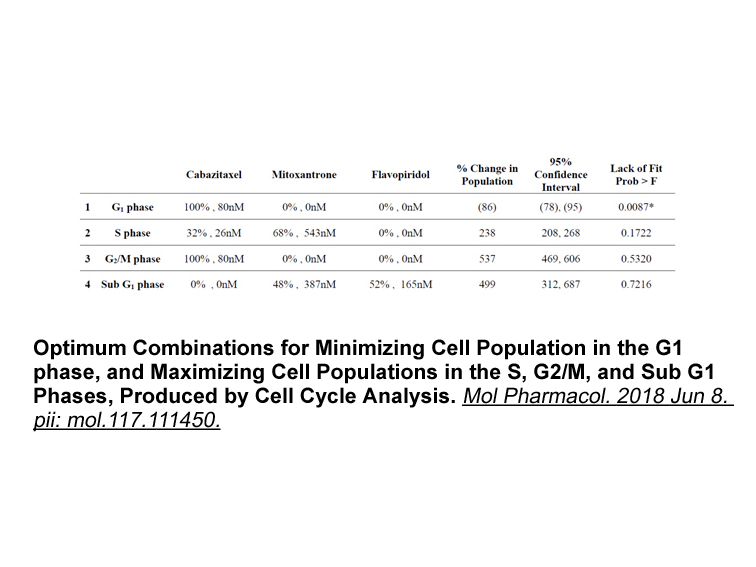
In the current study, we showed that known inhibitors of the F-ATPase and ionophores affect the growth of P. gingivalis and its plasma membrane ATPase, suggesting that the membrane ATPase can be a target for anti-periodontitis agents. We also identified stilbenoids that strongly inhibit the growth o
br Materials and methods br Results br Discussion
2024-04-13
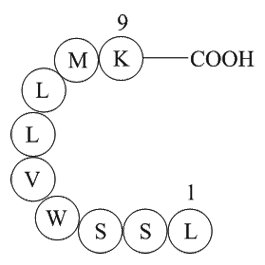
Materials and methods Results Discussion Human MutL-family complexes (MutLα: MLH1-PMS2, MutLβ:MLH1-PMS1, MutLγ:MLH1-MLH3) exhibit multiple molecular activities including DNA binding, DNA cleavage, ATP binding and hydrolysis [43]. In our recent study, we have uncovered an important function
br ACL Inhibition Lowering Blood
2024-04-13
ACL Inhibition: Lowering Blood LDL-C to Reduce ASCVD Risk Given its strategic position in the lipid biosynthesis pathway, ACL has been considered an attractive target for lipid-lowering even before statins and their effects on cholesterol homeostasis were elucidated (Box 2). Cells carefully maint
8554 records 208/571 page Previous Next First page 上5页 206207208209210 下5页 Last page