Archives
- 2026-06
- 2026-05
- 2026-04
- 2026-03
- 2026-02
- 2026-01
- 2025-12
- 2025-11
- 2025-10
- 2025-09
- 2025-03
- 2025-02
- 2025-01
- 2024-12
- 2024-11
- 2024-10
- 2024-09
- 2024-08
- 2024-07
- 2024-06
- 2024-05
- 2024-04
- 2024-03
- 2024-02
- 2024-01
- 2023-12
- 2023-11
- 2023-10
- 2023-09
- 2023-08
- 2023-07
- 2023-06
- 2023-05
- 2023-04
- 2023-03
- 2023-02
- 2023-01
- 2022-12
- 2022-11
- 2022-10
- 2022-09
- 2022-08
- 2022-07
- 2022-06
- 2022-05
- 2022-04
- 2022-03
- 2022-02
- 2022-01
- 2021-12
- 2021-11
- 2021-10
- 2021-09
- 2021-08
- 2021-07
- 2021-06
- 2021-05
- 2021-04
- 2021-03
- 2021-02
- 2021-01
- 2020-12
- 2020-11
- 2020-10
- 2020-09
- 2020-08
- 2020-07
- 2020-06
- 2020-05
- 2020-04
- 2020-03
- 2020-02
- 2020-01
- 2019-12
- 2019-11
- 2019-10
- 2019-09
- 2019-08
- 2019-07
- 2019-06
- 2019-05
- 2019-04
- 2018-07
-
Hesperadin br ABT aR aR methyl hexahydropyrrolo
2022-09-17
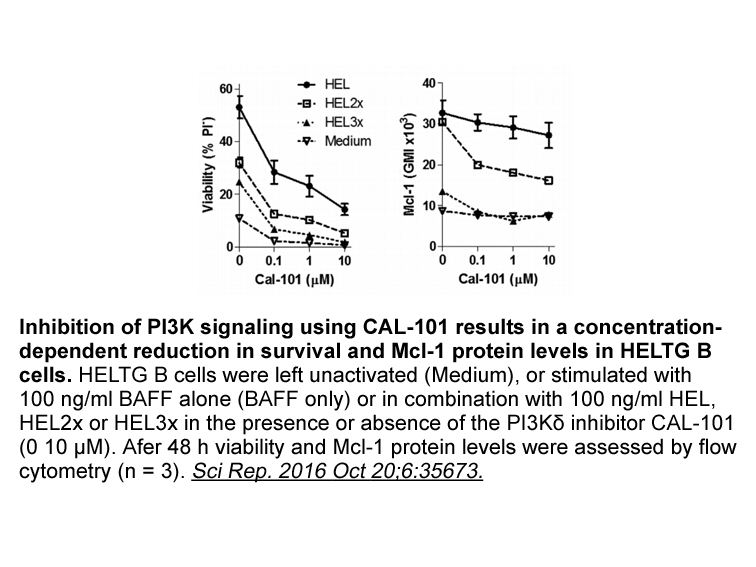
ABT-288 (2-[4'-((3aR,6aR)-5-methyl-hexahydropyrrolo[3,4-b]pyrrol-1-yl)-biphenyl-4-yl]2H-pyridazine-3-one) is a selective H3R antagonist/inverse agonist developed by Abbott. Structurally, it is a compound with molecular weight (MW) 372.46 g/mol, three H-bond acceptors (HBA), and Moriguchi LogP (MLo
-
The observed tendency for higher
2022-09-17
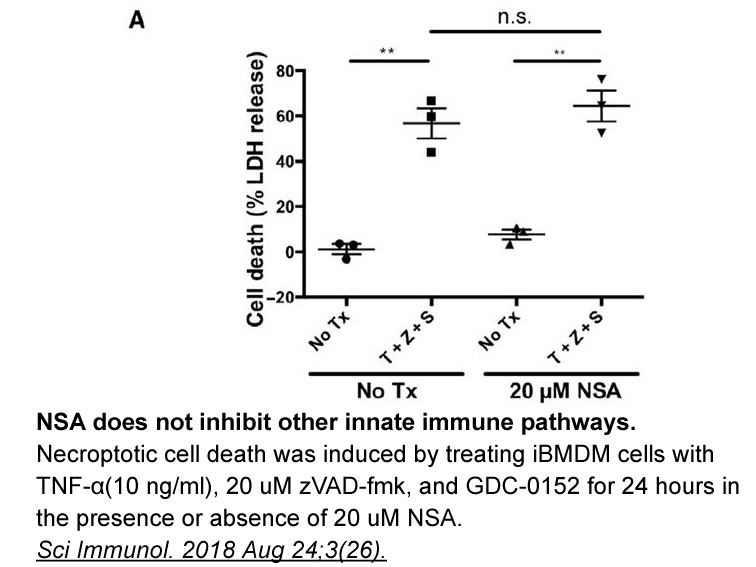
The observed tendency for higher plasma lactate levels in the aerated thermal exposure suggests increased reliance on iso 1 metabolism to maintain function. This finding is supported by a recent study that observed an increased ṀO2 in European perch (Perca fluviatilis) exposed to a hyperoxic rather
-
Clarithromycin mg br Conclusion br Acknowledgments This rese
2022-09-17
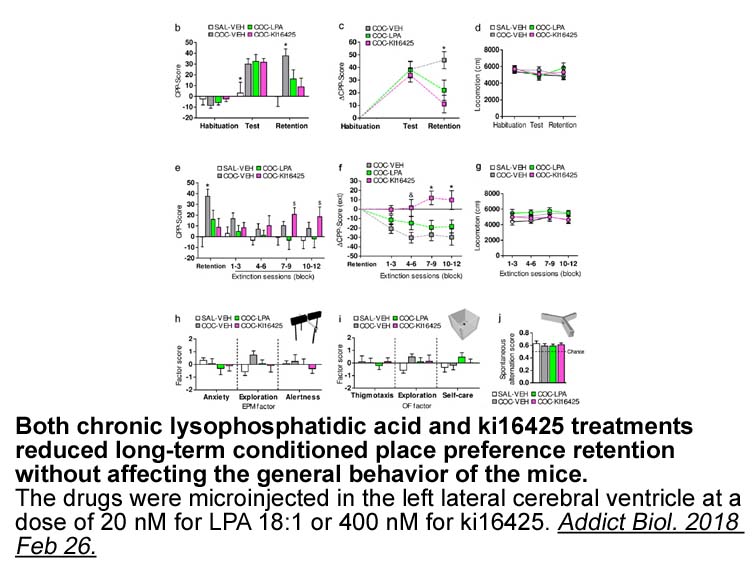
Conclusion Acknowledgments This research was funded by Tianjin Health Institution Key Projects, grant number 15KG148” and “Tianjin Medical University General Hospital Youth Incubation Fund, grant number ZYYFY2017029”. I would like to express my heartfelt gratitude to Professor Hongtao Zhang fo
-
Measured physicochemical water parameters including conducti
2022-09-16
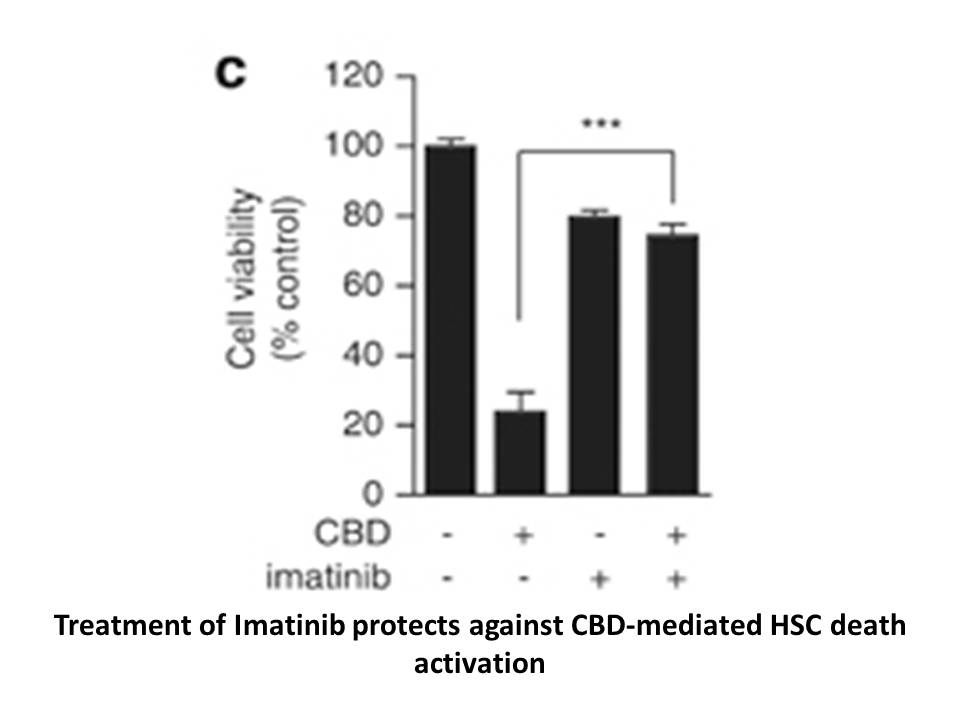
Measured physicochemical water parameters including conductivity, suspended solids and nutrient load along the studied sites (Table 1) were high compared to levels usually found in undisturbed rivers within Europe (Chapman and Kimstach, 1996). In particular conductivity, suspended solids and phospha
-
br Soluble guanylyl cyclase nitric oxide and
2022-09-16
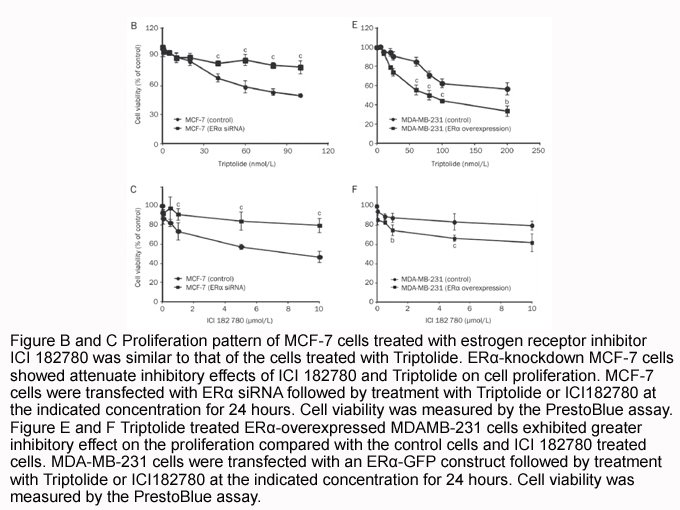
Soluble guanylyl cyclase, nitric oxide and nitric oxide synthase The primary and best-studied endogenous activator of soluble guanylyl cyclase (sGC) is nitric oxide (NO), which was originally describe as endothelium-derived relaxing factor for its potent ability to relax blood vessels in response
-
A second feature of the Ras type GTPases
2022-09-16
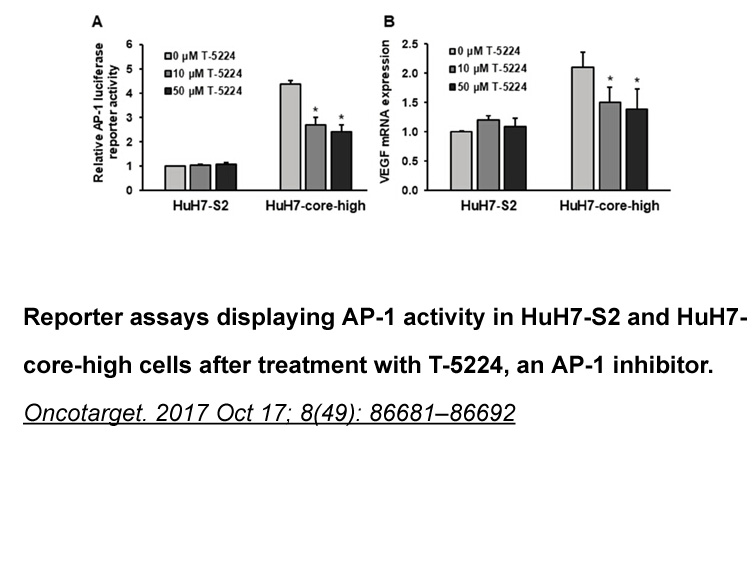
A second feature of the Ras-type GTPases is that their ‘on’ and ‘off’ states are temporally and often spatially separated from one another. This feature is essential for GTPases mediating signaling and other processes that need to be kept ‘off’ until the arrival of signaling cues. The need to recrui
-
SB408124 br GnRH receptor expression is altered within GnRH
2022-09-16
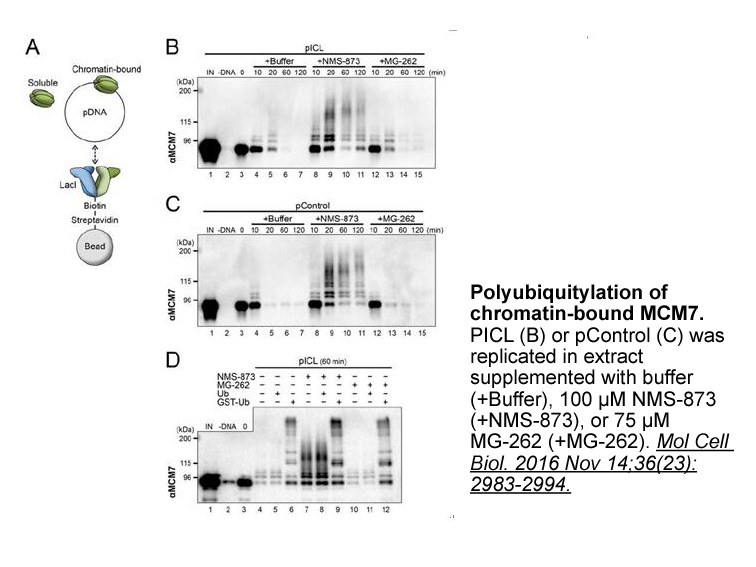
GnRH receptor expression is altered within GnRH neuronal cells Kisspeptin failed to stimulate GnRH expression in our line of GT1-7 cells. Instead, we have found that kisspeptin increased the expression of the GnRH receptor in these SB408124 (Sukhbaatar et al., 2013). Based on the results of exper
-
Enalapril Maleate mg To shed more light on
2022-09-16
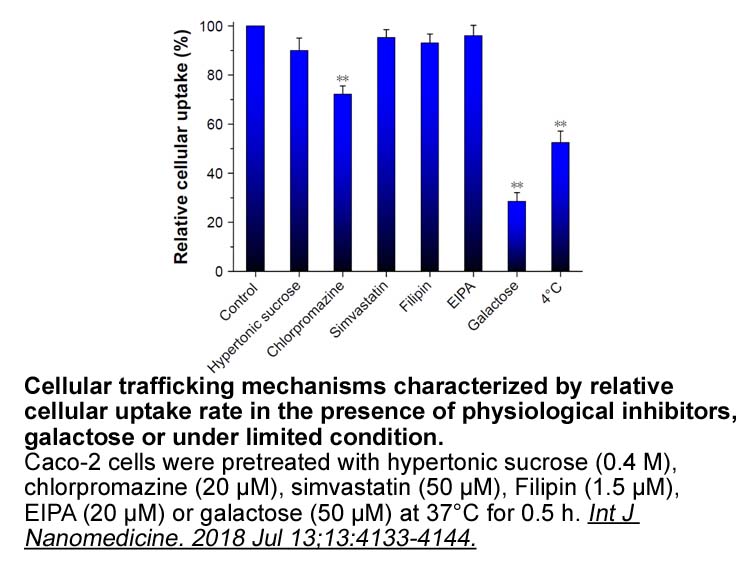
To shed more light on the binding of benzophenanthridine to GlyT1, we studied how the replacement of certain residues around the sanguinarine sensitive cysteine 475 previously identified (Jursky et al., 2012) affects GlyT1 inhibition of by these alkaloids. Based on these results we propose a putativ
-
Conformational changes are observed in the LBDs after ligand
2022-09-16
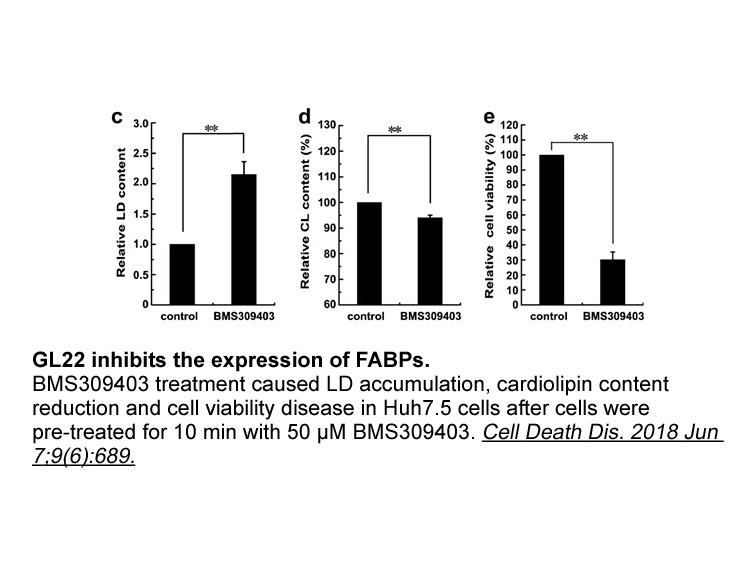
Conformational changes are observed in the LBDs after ligand binding, including partial cleft closure for GluN2A and complete cleft closure for GluN1. For GluN2A, additional conformational rearrangements in the protein and ligand may be required before the ligand can be accommodated within lobe 2. F
-
That MSCs release IL upon
2022-09-16
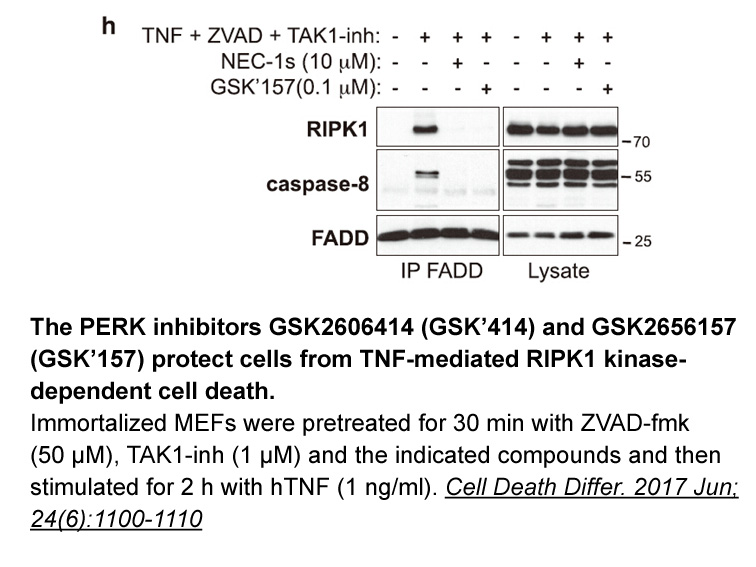
That MSCs release IL-6 upon LPS stimulation or other stressful stimuli like H2O2 [43] is well-documented [44]. However, there are conflicting reports on the potential effects of this cytokine in stroke. Some studies have found that the external administration of IL-6 in ischemic animal models leads
-
Yeast two hybrid screening studies have provided the foundat
2022-09-16
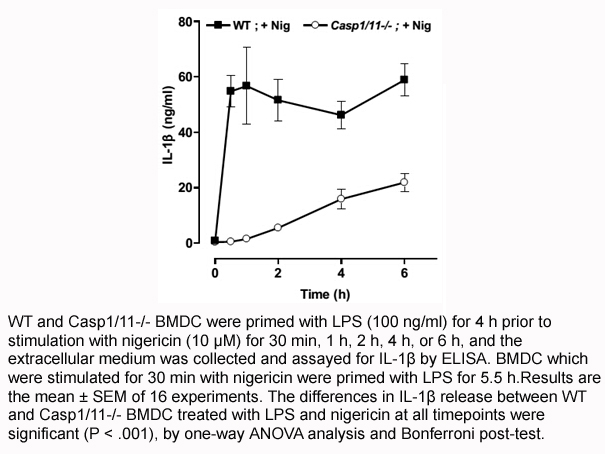
Yeast two-hybrid screening studies have provided the foundation for countless investigations of protein-protein interactions [[141], [142], [143]]. To identify additional hepatic proteins similar to GKRP that are implicated in GCK regulation, a group of researchers conducted a two-hybrid study using
-
Phylogenetic analysis of the secretin like hormones yields p
2022-09-16
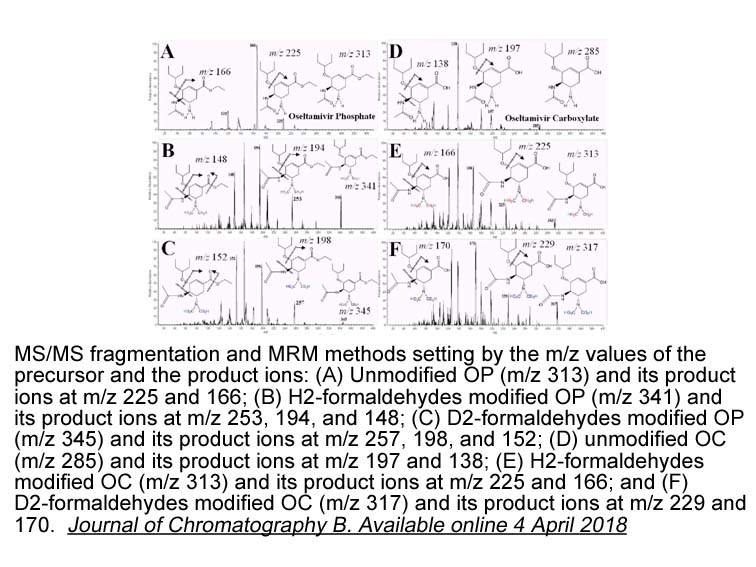
Phylogenetic analysis of the secretin-like hormones yields poorly supported trees due to the short length of their peptide sequences (Dores et al., 1996). However, phylogenetic analyses typically show that the secretin-like peptides encoded by the proglucagon (glucagon, GLP-1 and GLP-2) and GIP SGC
-
To directly address whether pharmacological attenuation
2022-09-16

To directly address whether pharmacological attenuation of physiological GIP provides therapeutic benefits in obese mice, we pursued a selective long-acting antagonist to complement the work we report on GIPR agonism. We report a GIP analog of sufficient aqueous solubility that employs a shortened N
-
As demonstrated by Bayliss Bayliss myogenic response is the
2022-09-15
As demonstrated by Bayliss Bayliss, [22] myogenic response is the ability of the blood vessels to contract in response to intraluminal pressure elevation. This is intrinsic to VSMCs, particularly in small arteries (dimeter Cefotaxime sodium salt polymerization within VSMCs in response to increased i
-
We found the FAAH CC genotype only confers risk for
2022-09-15
We found the FAAH CC genotype only confers risk for anxiety if the CRFR1 minor allele combination is also present. Additionally, the FAAH AA/AC genotype was riskier than the CC if the three CRFR1 minor Lapatinib Ditosylate were not present. This result is somewhat contrary to our prediction as we h
16295 records 426/1087 page Previous Next First page 上5页 426427428429430 下5页 Last page